

Understanding Disney Plus Policy Changes in 2027
Disney Plus rolled out comprehensive policy updates that fundamentally changed subscription sharing. The most significant change involves household verification requirements. Every account must now designate a primary household location. The new policy limits account sharing to members within the same household. Disney Plus defines a household as people living at the same physical address. This represents a major shift from previous policies that allowed more flexible sharing arrangements. Subscribers noticed these changes when Disney Plus began requiring device verification. The platform now checks internet connections to confirm household membership. Devices outside the primary household may face streaming restrictions or additional fees. These policy modifications mirror changes implemented by other streaming services like Netflix. Disney Plus aims to reduce unauthorized sharing while maintaining legitimate family account access. The company stated these changes help sustain content investments and platform improvements. Did Disney Plus change their policy to increase revenue? Industry analysts suggest account sharing crackdowns generate substantial additional subscription income. Disney Plus reported millions of households previously shared passwords with non-household members.
How Did Disney Plus Change Their Policy on Account Sharing?
The account sharing policy underwent dramatic transformation. Disney Plus previously allowed relatively unrestricted profile creation and device authorization. Users could share credentials with friends and extended family members without consequences. Now Disney Plus enforces strict household boundaries. Accounts support up to seven profiles, but all must belong to the same household. The platform tracks IP addresses and device locations to verify household membership. Subscribers who travel frequently face potential complications. Disney Plus allows temporary access from outside the household for up to 30 days. After this period, devices must reconnect to the primary household network for verification. Did Disney Plus change their policy regarding simultaneous streams? The four-device simultaneous streaming limit remains unchanged. However, all four devices must now belong to verified household members or face interruptions. Disney Plus introduced an “Add Extra Member” option in select markets. This feature allows subscribers to pay additional fees for legitimate sharing with non-household members. Pricing varies by region but typically costs $7.99 monthly per extra member. Learn more about safe subscription sharing practices to understand legitimate options.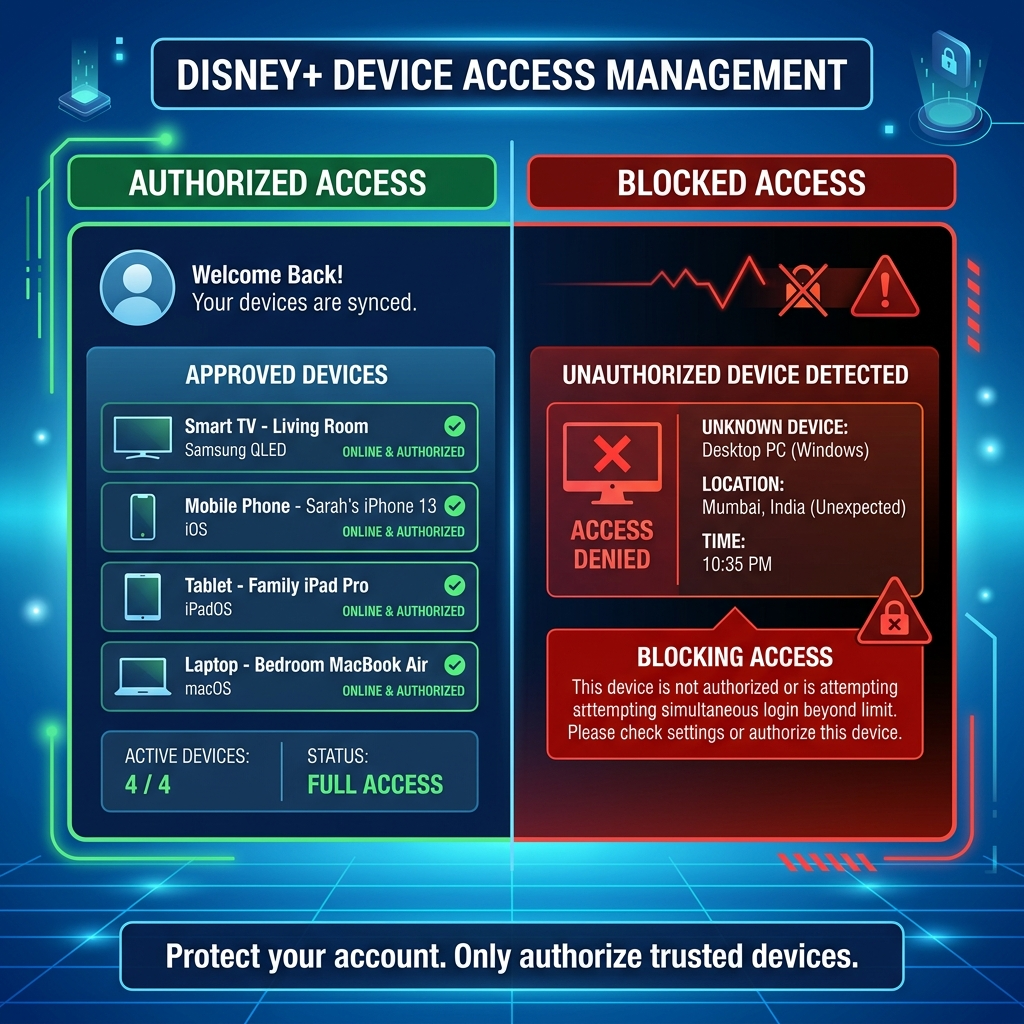
Disney Plus Policy Changes: Pricing and Subscription Tiers
Pricing policies evolved alongside sharing restrictions. Disney Plus restructured subscription tiers to reflect new policy enforcement costs and content investments. The basic ad-supported plan now costs $7.99 monthly, representing an entry-level option for budget-conscious subscribers. Did Disney Plus change their policy on ad-free streaming? Premium ad-free subscriptions increased to $13.99 monthly. This tier provides uninterrupted viewing across all Disney Plus content libraries. The pricing adjustment helps offset revenue losses from restricted account sharing. The Disney Bundle gained prominence as Disney Plus enforced stricter policies. Bundling Disney Plus with Hulu and ESPN Plus offers better value than individual subscriptions. Bundle pricing starts at $14.99 monthly with ads or $24.99 for ad-free viewing across all three platforms. Annual subscription options provide cost savings for committed subscribers. Disney Plus offers 12-month plans at discounted rates compared to monthly billing. Annual subscribers also receive priority customer support and early access to select content releases. Student discounts and promotional offers became more restrictive under new policies. Disney Plus now requires verification of household status even for discounted accounts. This prevents discount abuse through shared credentials among multiple households.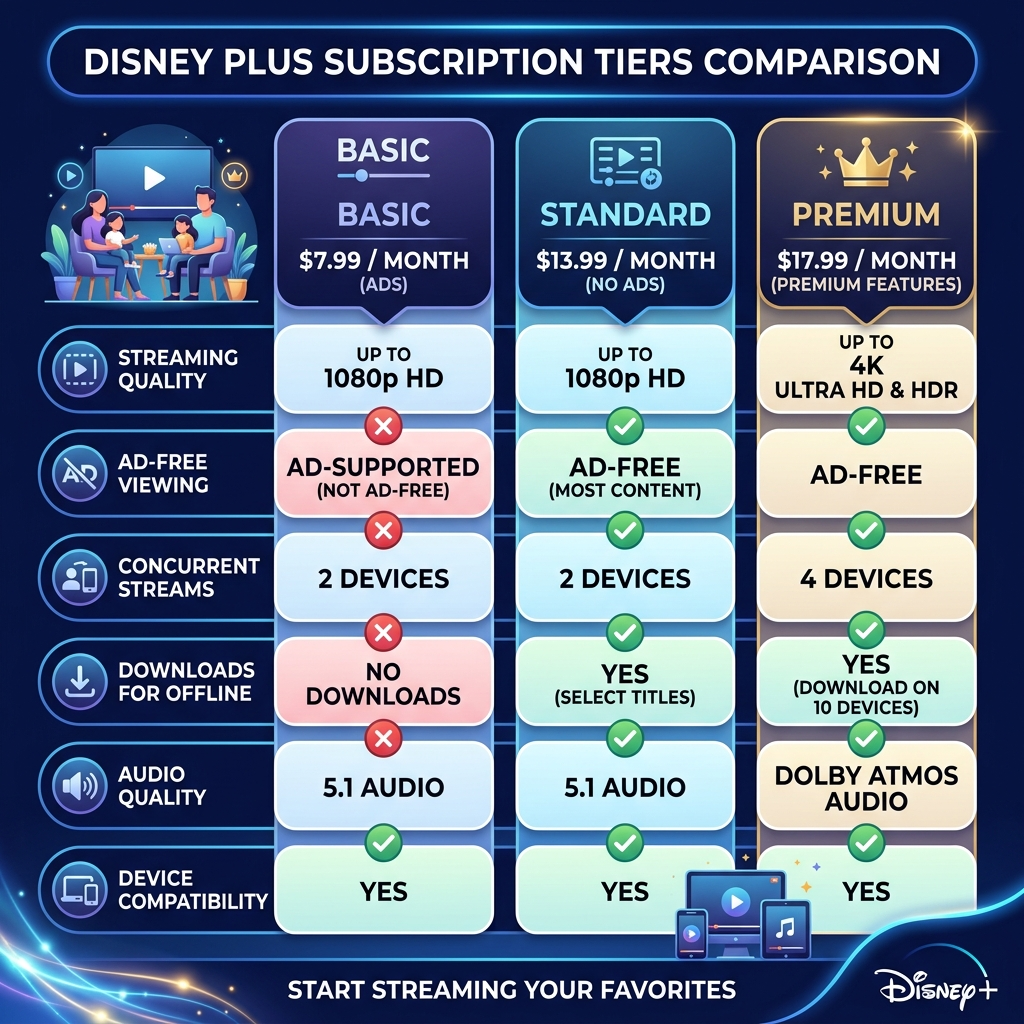
What Disney Plus Policy Changes Mean for Existing Subscribers
Existing subscribers experienced phased policy implementation. Disney Plus sent email notifications explaining upcoming changes and verification requirements. Long-term subscribers received grace periods to adjust to new household verification systems. Did Disney Plus change their policy retroactively for current accounts? All existing subscriptions must comply with updated policies regardless of sign-up date. Disney Plus provided transition assistance but enforced compliance deadlines. Accounts failing verification face service interruptions until household status is confirmed. Grandfathered pricing disappeared for most legacy subscribers. Disney Plus eliminated special pricing arrangements that predated current policy structures. Some promotional rates continued temporarily but eventually converted to standard pricing tiers. Profile management became more complex under new policies. Subscribers must designate which profiles belong to household members. Disney Plus occasionally prompts profile verification through email or device authentication. Children’s profiles require parental oversight and household confirmation. Customer support inquiries increased dramatically following policy announcements. Disney Plus expanded support resources to address subscriber questions about household verification. The platform created detailed FAQs and video tutorials explaining new requirements and compliance procedures.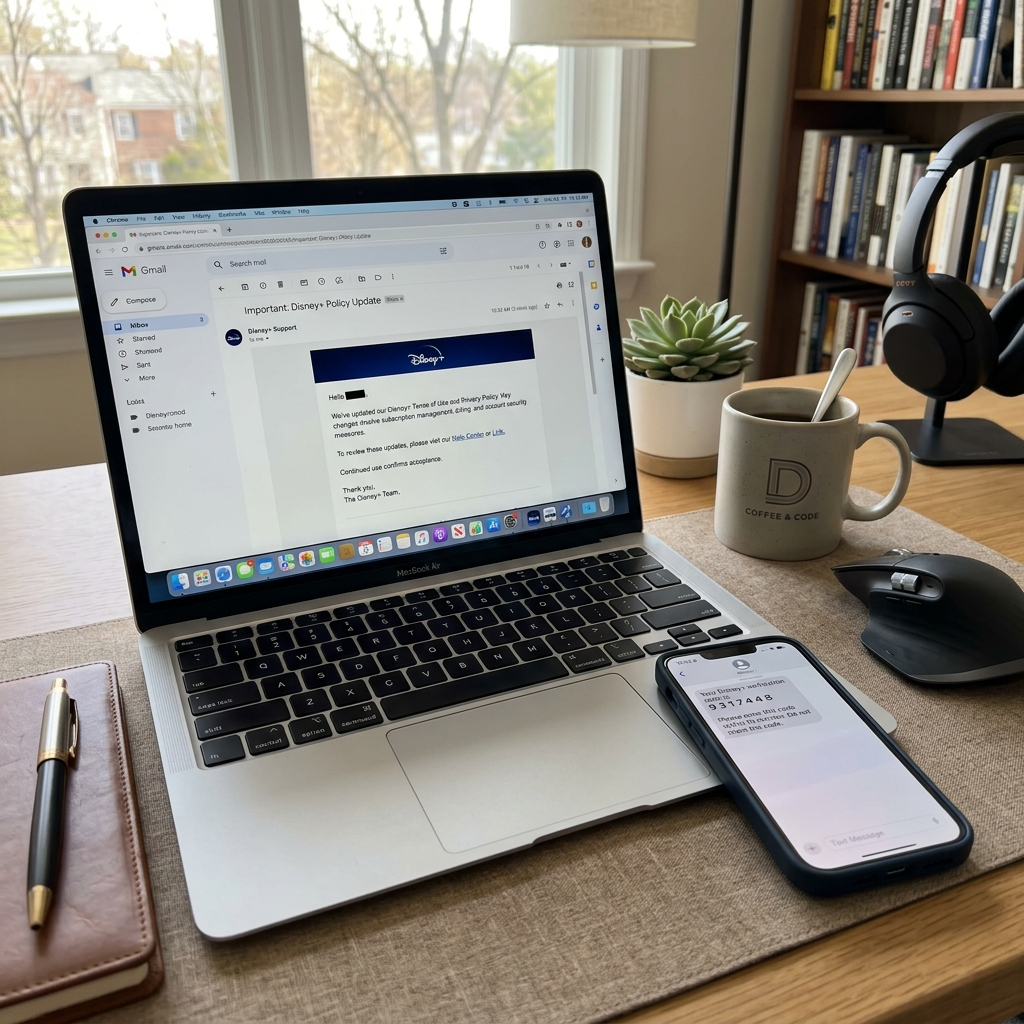
Future Disney Plus Policy Updates and Industry Trends
Industry analysts predict continued policy evolution for Disney Plus. Streaming services face ongoing pressure to maximize subscriber revenue while maintaining user satisfaction. Future updates may introduce additional verification methods or refined household definitions. Did Disney Plus change their policy in response to competitor actions? Yes, Disney Plus policy modifications closely followed similar changes at Netflix and other streaming platforms. This industry-wide trend toward stricter account sharing enforcement appears likely to continue through 2027 and beyond. Biometric verification represents a potential future policy direction. Disney Plus could implement facial recognition or fingerprint authentication to verify household members. Such technology would strengthen policy enforcement while potentially improving user experience through simplified login processes. Content licensing agreements increasingly influence policy decisions. Disney Plus must balance subscriber accessibility with contractual obligations to content creators. Future policies may introduce region-specific restrictions or content-based verification requirements depending on licensing terms. Subscriber feedback shapes ongoing policy adjustments. Disney Plus monitors customer satisfaction metrics and churn rates following policy implementations. The platform demonstrated willingness to modify enforcement approaches based on subscriber response and technical feasibility. Expect iterative refinements rather than wholesale policy reversals in coming years.