
Understanding Disney Plus Household Policies
Disney Plus defines a household as people living at the same primary residence. The terms of service explicitly state accounts should not be shared outside this household. This policy aligns with other major streaming platforms implementing similar restrictions. The platform uses several verification methods. IP address tracking identifies your primary location. Device registration monitors where you stream content most frequently. Disney’s system flags accounts with unusual access patterns across multiple locations. Despite these restrictions, enforcement remains inconsistent. Many users successfully share accounts with family members in different cities without facing consequences. Disney has not widely implemented the strict crackdowns seen with Netflix’s paid sharing model. However, can you use Disney Plus in different households without risk? The answer involves understanding potential consequences. Disney could suspend accounts violating terms of service. The company may eventually require verification or charge additional fees for extra household access. For now, technical capability exists even if policy prohibits it. Consider exploring legitimate subscription sharing platforms that operate within legal frameworks while reducing costs.
Device Limits and Simultaneous Streams for Different Households
Disney Plus allows four simultaneous streams per account. This limit applies regardless of location. Four people could theoretically watch from four different households at the same time. The platform does not immediately block this activity. Device authorization works differently than stream limits. You can download the Disney Plus app on unlimited devices. However, only four can stream simultaneously. This distinction matters when considering if you can use Disney Plus in different households. The platform tracks which devices access your account. Frequent logins from multiple cities trigger security reviews. Disney may send verification emails requesting confirmation of account activity. These checks aim to identify unauthorized sharing. Each account supports seven individual profiles. Profiles help personalize recommendations and maintain separate watchlists. Children’s profiles automatically filter age-appropriate content. Profile management does not depend on physical location. According to Disney’s official support documentation, the service prioritizes user experience within households. The company balances security with convenience for legitimate users traveling or using multiple devices. Understanding these technical limits helps you determine practical sharing capabilities while weighing potential policy violations.How Disney Verifies Households and Detects Sharing
Disney employs sophisticated verification technology. IP address monitoring identifies your primary streaming location. The system establishes a household baseline based on frequent access patterns. Significant deviations from this baseline trigger security protocols. The platform requests periodic household verification. Users must confirm their primary address through email verification. Disney may require additional authentication when detecting unusual activity. These measures aim to enforce the single-household policy. GPS data from mobile devices provides location information. Disney analyzes streaming patterns across time zones. Simultaneous streams from distant locations raise red flags. The algorithm calculates probability of legitimate versus unauthorized sharing. So can you use Disney Plus in different households without detection? Current technology makes this difficult but not impossible. VPN usage may mask location but violates terms of service. Disney actively blocks known VPN IP addresses. The verification system includes grace periods for travel. Legitimate subscribers accessing accounts while on vacation typically face no issues. Disney distinguishes between occasional travel and permanent multi-household sharing. The company prioritizes catching systematic abuse rather than penalizing travelers. Understanding these detection methods helps you assess risk. Technology continues improving, making undetected sharing increasingly difficult. Smart consumers consider compliant alternatives that eliminate risk entirely.
Consequences of Using Disney Plus Across Different Households
Account suspension represents the primary risk. Disney’s terms allow immediate termination for sharing violations. The company rarely implements this extreme measure but retains the right. Warning emails typically precede any account action. Disney could implement paid sharing programs. Netflix’s successful additional household fees demonstrate viable monetization. Disney may eventually charge $7.99 monthly per extra household. This model generates revenue while acknowledging sharing reality. Legal consequences remain minimal for individual users. Disney focuses enforcement on large-scale commercial sharing. Password sellers and unauthorized resellers face actual legal action. Casual family sharing rarely results in lawsuits. Reputation damage affects some users. If you can use Disney Plus in different households against policy, ethical considerations matter. Content creators deserve compensation for their work. Unauthorized sharing reduces revenue supporting new productions. Credit card chargebacks provide limited recourse. If Disney suspends your account for sharing, disputing charges rarely succeeds. Terms of service clearly prohibit multi-household access. Users accept these terms during signup. The streaming industry continues evolving enforcement strategies. Current leniency may not continue indefinitely. Future technology could make unauthorized sharing impossible. Consider these long-term risks when deciding sharing strategies.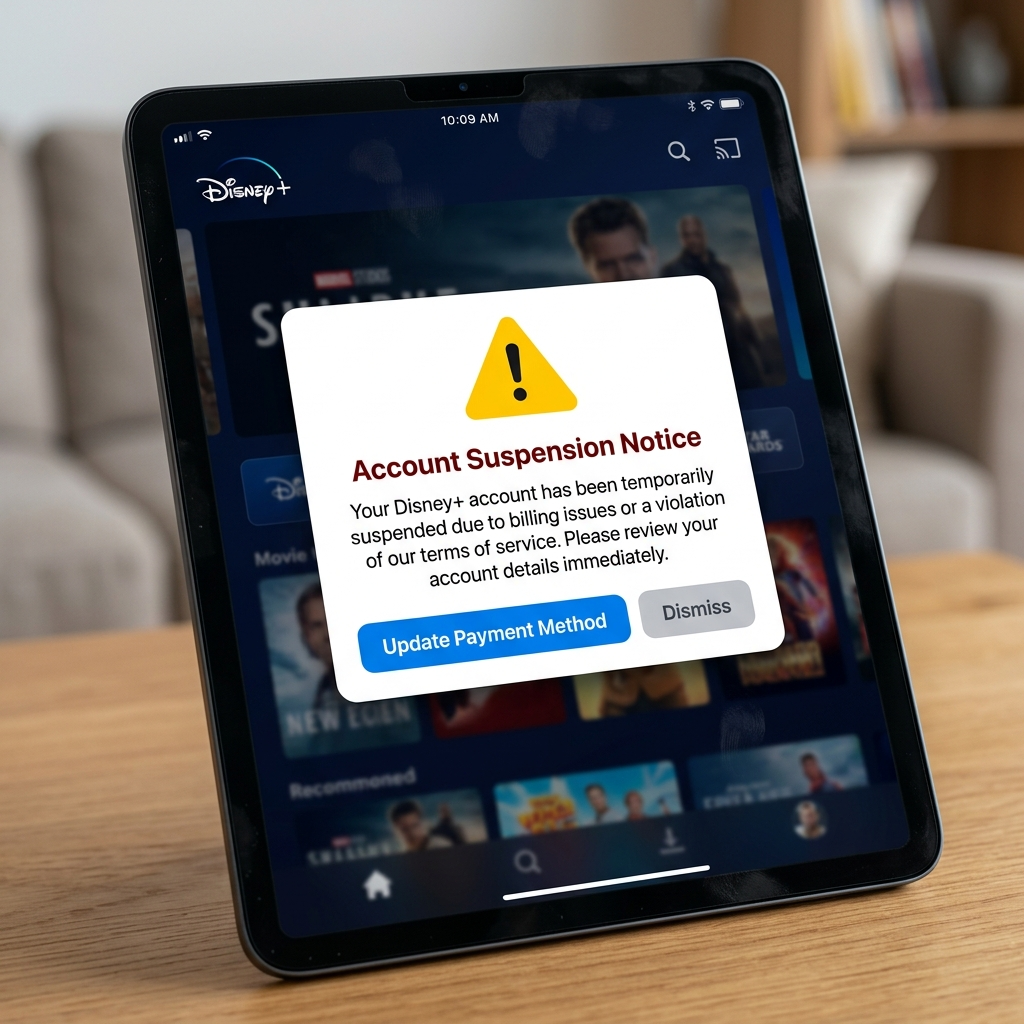
Legal Alternatives to Sharing Disney Plus in Different Households
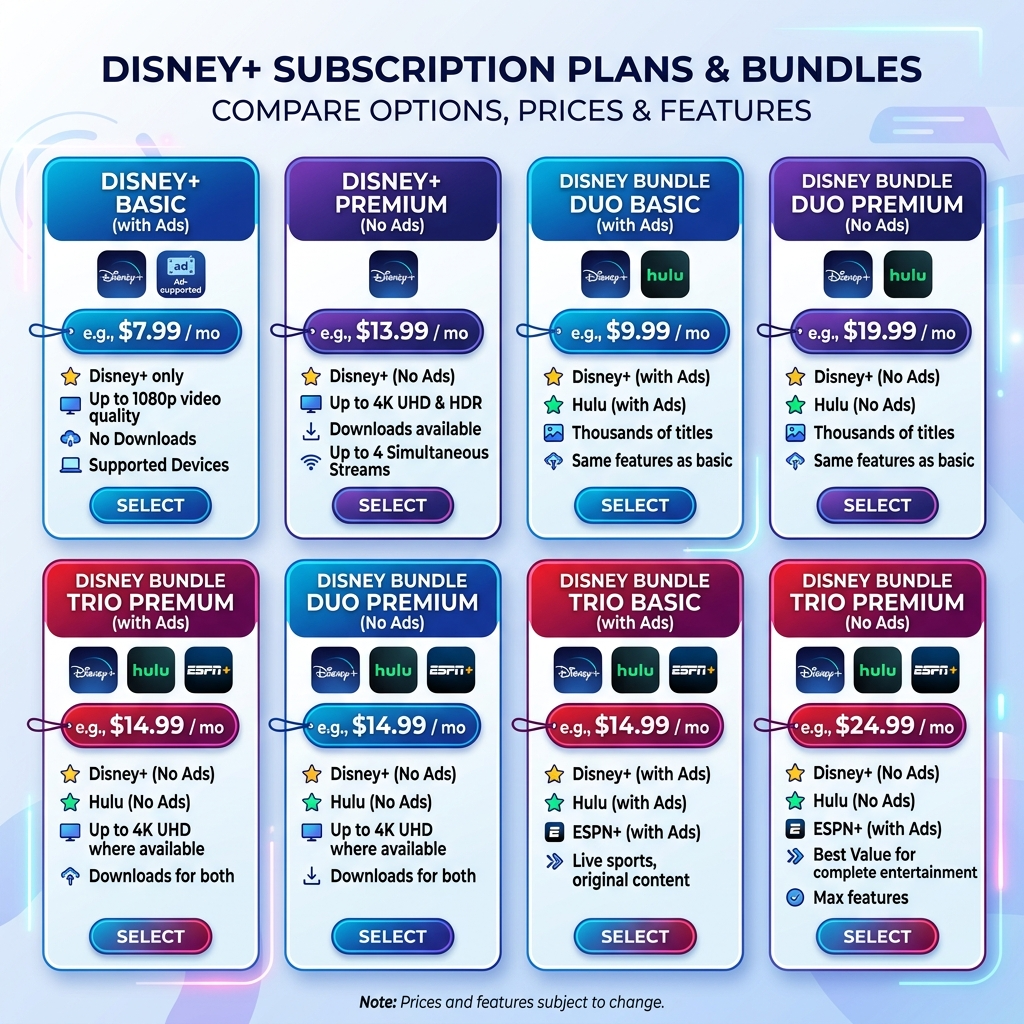
Individual subscriptions offer the most straightforward solution. Disney Plus costs $7.99 monthly for ad-supported plans or $13.99 without ads. Annual subscriptions provide modest savings. Each household maintains separate accounts with full access. The Disney Bundle combines Disney Plus, Hulu, and ESPN+. This package costs $14.99 monthly with ads across services. Premium bundles reaching $24.99 monthly remove most advertising. Bundles provide excellent value for households wanting multiple streaming platforms. Family plan options may emerge soon. Disney executives have discussed household expansion features. These would allow legitimate multi-household sharing for additional fees. Early speculation suggests $6-8 monthly per extra household. Subscription sharing platforms provide compliant alternatives. Services like Anexly facilitate legal sharing with verified users. These platforms operate within streaming terms of service. Users split costs while maintaining proper authorization. Student discounts reduce costs for eligible subscribers. Many universities offer discounted streaming bundles. Academic email addresses unlock special pricing. These programs legally reduce expenses for qualifying households. Understanding whether you can use Disney Plus in different households requires examining these alternatives. Legal options eliminate risk while providing similar cost savings. The peace of mind justifies any minor price differences compared to unauthorized sharing.