
Understanding NY Times Digital Subscription Pricing Tiers
The best deal on NY Times digital subscription depends entirely on which tier matches your reading habits. New York Times structures pricing across three primary levels: Basic Digital, All Access Digital, and Premium bundles. Basic Digital starts around $4 weekly but frequently drops to $1 during promotional periods. This tier includes unlimited article access plus basic app functionality. All Access adds Cooking, Games, Wirecutter, and The Athletic for approximately $9 weekly at standard rates. Promotional pricing typically appears during major holidays and subscription renewal periods. Black Friday consistently delivers 50-60% discounts across all tiers. New subscribers receive preferential pricing compared to loyal customers, creating an interesting market dynamic. The Athletic bundle represents exceptional value for sports enthusiasts seeking comprehensive coverage. Cooking and Games add-ons cost $40 annually when purchased separately. Bundling these services through All Access generates immediate savings. Student discounts provide an additional 50% reduction with valid educational email verification. Official NY Times subscription page displays current promotional offers. Compare pricing quarterly because promotional cycles shift based on subscription acquisition goals. Standard rates reset after introductory periods, typically 12 months for most promotional offers.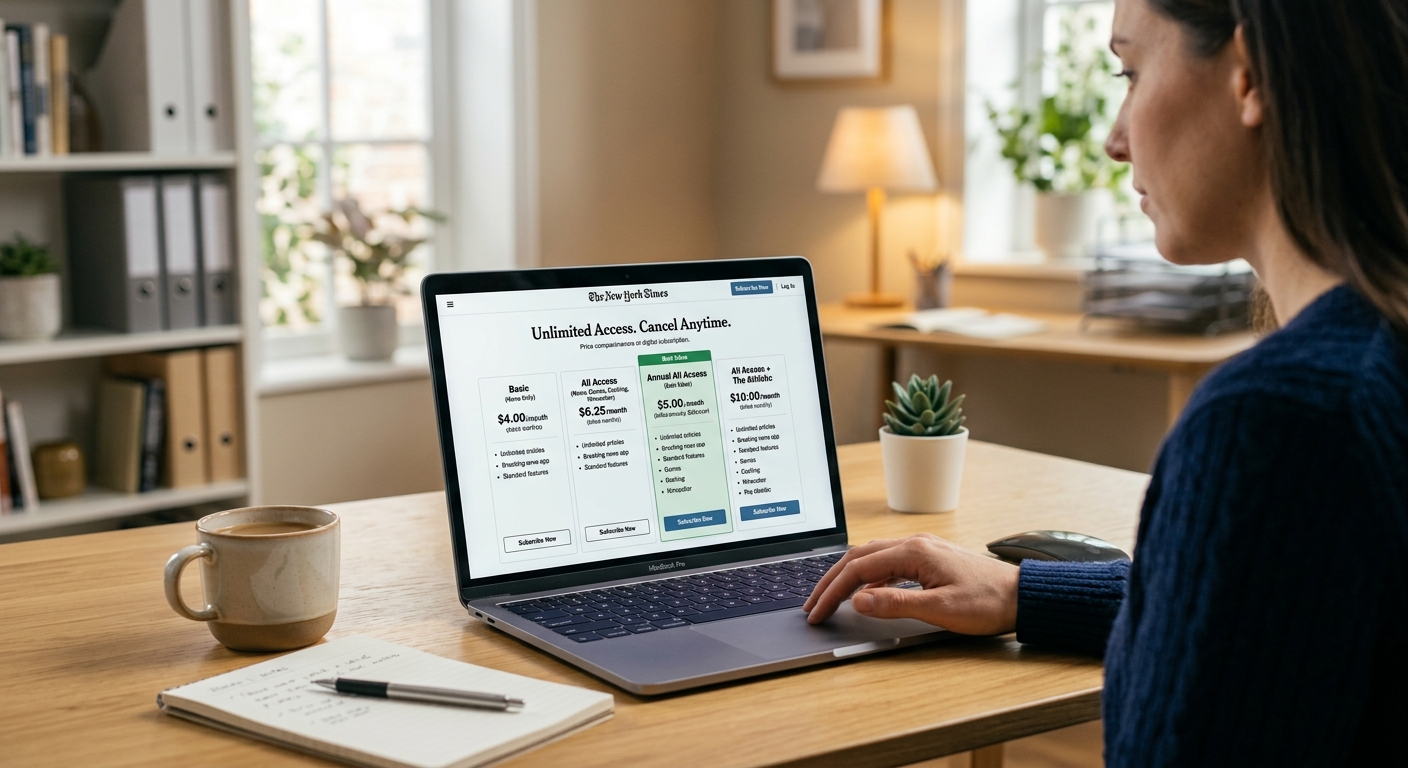
Best Times to Find NY Times Digital Subscription Deals
Timing transforms the best deal on NY Times digital subscription from good to exceptional. Publishers follow predictable promotional calendars based on quarterly revenue targets and competitive pressures. Black Friday through Cyber Monday generates the deepest annual discounts, often 60% off standard rates. New Year promotions run January through mid-February, targeting resolution-driven readers. Spring campaigns emerge around March-April as publishers push Q2 acquisition goals. Mid-year promotions appear less frequently but occasionally match holiday pricing during summer slowdowns. Back-to-school campaigns in late August target students and educators with verification-based discounts. Fourth quarter sees aggressive pricing as companies chase year-end subscription targets. Monitoring promotional emails provides early access to flash sales and exclusive offers. Creating a dedicated email account for subscription tracking prevents inbox clutter while capturing time-sensitive deals. Price tracking tools alert you when rates drop below your target threshold. Cancellation offers frequently present the absolute best value for existing subscribers. The retention team typically offers 50% discounts when you initiate cancellation. This strategy works best 2-3 weeks before renewal dates. Consumer Reports subscription savings guide confirms this approach across multiple publishers. Newsletter subscribers receive exclusive promotional codes unavailable through standard channels. Sign up 6-8 weeks before your intended purchase date for maximum savings opportunities.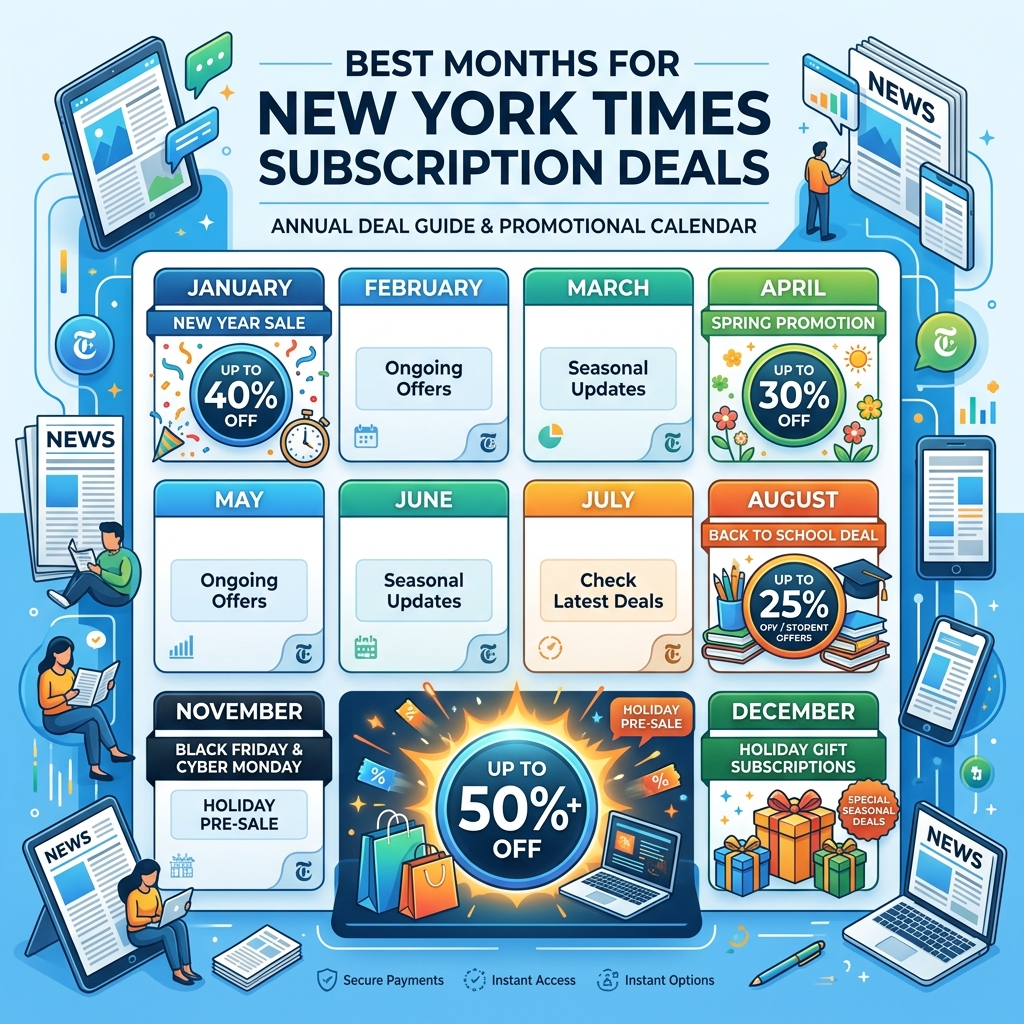
Maximizing Savings on Your NY Times Digital Deal
Securing the best deal on NY Times digital subscription requires strategic account management and promotional code stacking. Smart subscribers implement multiple savings strategies simultaneously for compound discounts. Gift subscriptions frequently cost less than direct personal subscriptions during promotional periods. Purchase a gift subscription for yourself using a different email address. This workaround accesses new-subscriber pricing while maintaining your existing account until transition. Coupon aggregator sites like RetailMeNot and Honey occasionally feature exclusive promotional codes. Browser extensions automatically apply available discounts at checkout. Cashback platforms including Rakuten offer 5-12% back on subscription purchases during promotional windows. Student and educator discounts stack with promotional pricing in some cases, creating exceptional value. Military and senior discounts exist but require verification through third-party services. Corporate partnerships occasionally provide discounted institutional access worth investigating through your employer. Annual prepayment generates additional savings compared to monthly billing cycles. Paying yearly eliminates processing fees and locks current promotional rates for 12 months. Calculate total annual cost before committing to ensure promotional monthly rates don’t exceed annual pricing. Shared household accounts maximize per-person value when splitting costs among family members. Each profile maintains personalized recommendations while sharing subscription expense. Consider reading habits across household members before selecting tier levels. Bundle with other services strategically to reduce overall entertainment spending. Combining news, streaming, and gaming subscriptions through strategic subscription sharing reduces individual service costs significantly.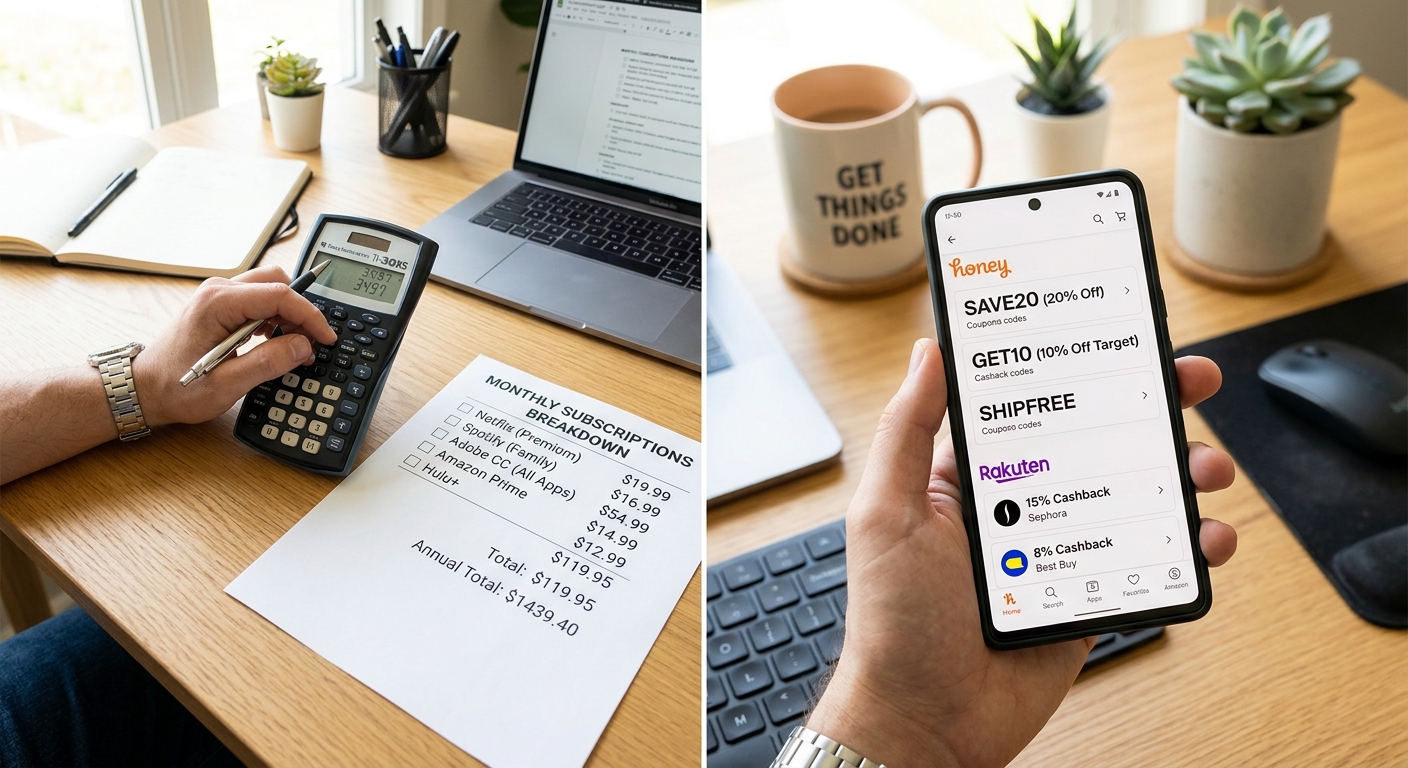
Comparing Bundle Options for Best NY Times Digital Value
Bundle packages often represent the best deal on NY Times digital subscription for readers consuming multiple content types. Understanding component values helps identify genuine savings versus marketing packaging. All Access bundles combine news, Cooking, Games, Wirecutter reviews, and Athletic sports coverage. Individual subscriptions total approximately $25 weekly at standard rates. All Access promotional pricing reaches $4-6 weekly during sales, representing 75% savings. Cooking standalone costs $40 annually and includes 20,000+ recipes with meal planning tools. Games subscription provides unlimited Crossword, Spelling Bee, and puzzle access for $6.99 monthly when purchased separately. The Athletic delivers comprehensive sports journalism across professional and college athletics. Wirecutter product reviews save hundreds through informed purchasing decisions on electronics, home goods, and services. This component alone justifies All Access costs for frequent online shoppers. Expert testing and analysis reduce buyer’s remorse significantly. Family plans don’t officially exist, but household sharing through single accounts works within terms of service. Multiple profiles maintain separate preferences and reading history. Consider total household usage when evaluating bundle value propositions. Compare your actual usage patterns against bundle inclusions before upgrading from Basic Digital. Many readers overestimate their consumption of supplementary content types. Track usage for 2-3 months before committing to premium tiers. Print-digital bundles make sense for weekend readers preferring physical newspapers. Sunday delivery plus digital access costs less than separate subscriptions in most markets. Poynter Institute analysis confirms bundle savings across major publishers.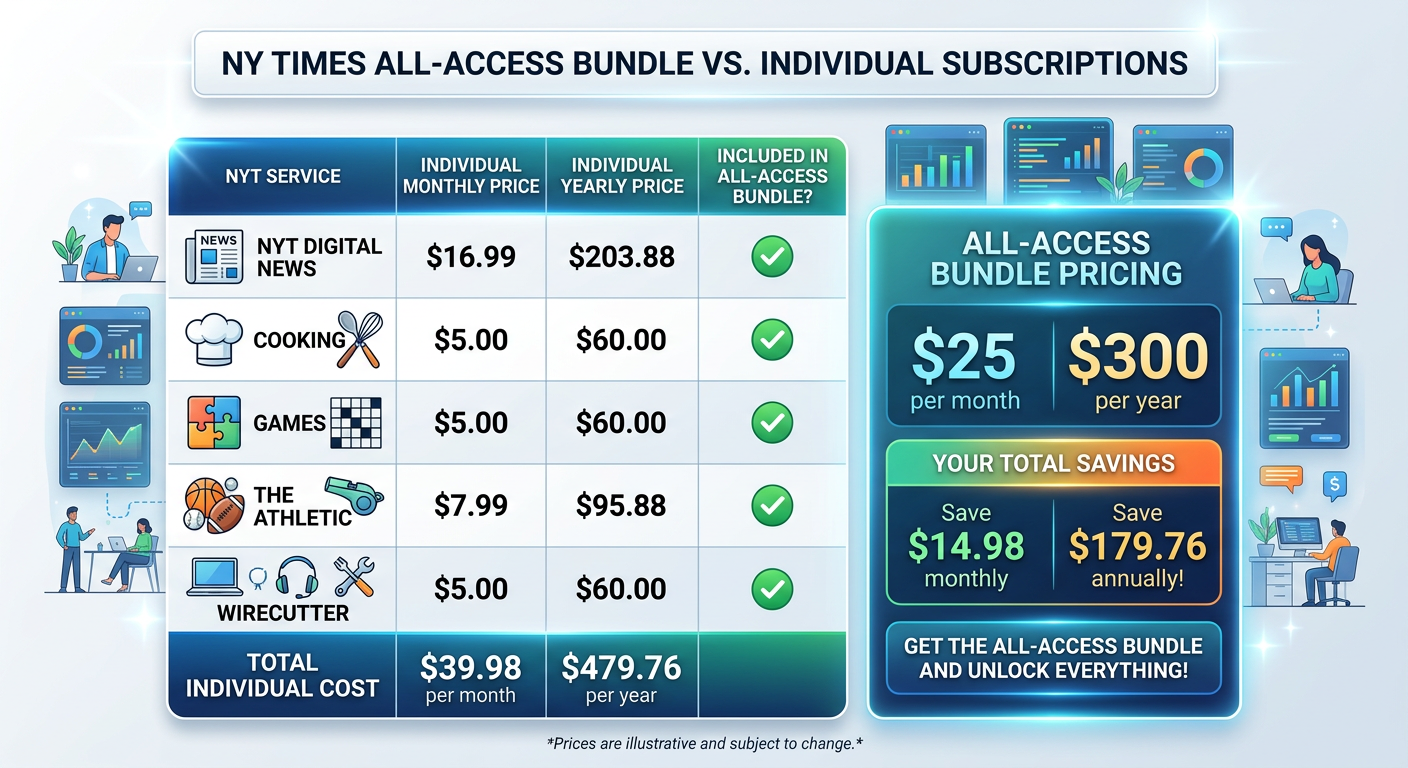
Alternative Ways to Access NY Times Digital Content
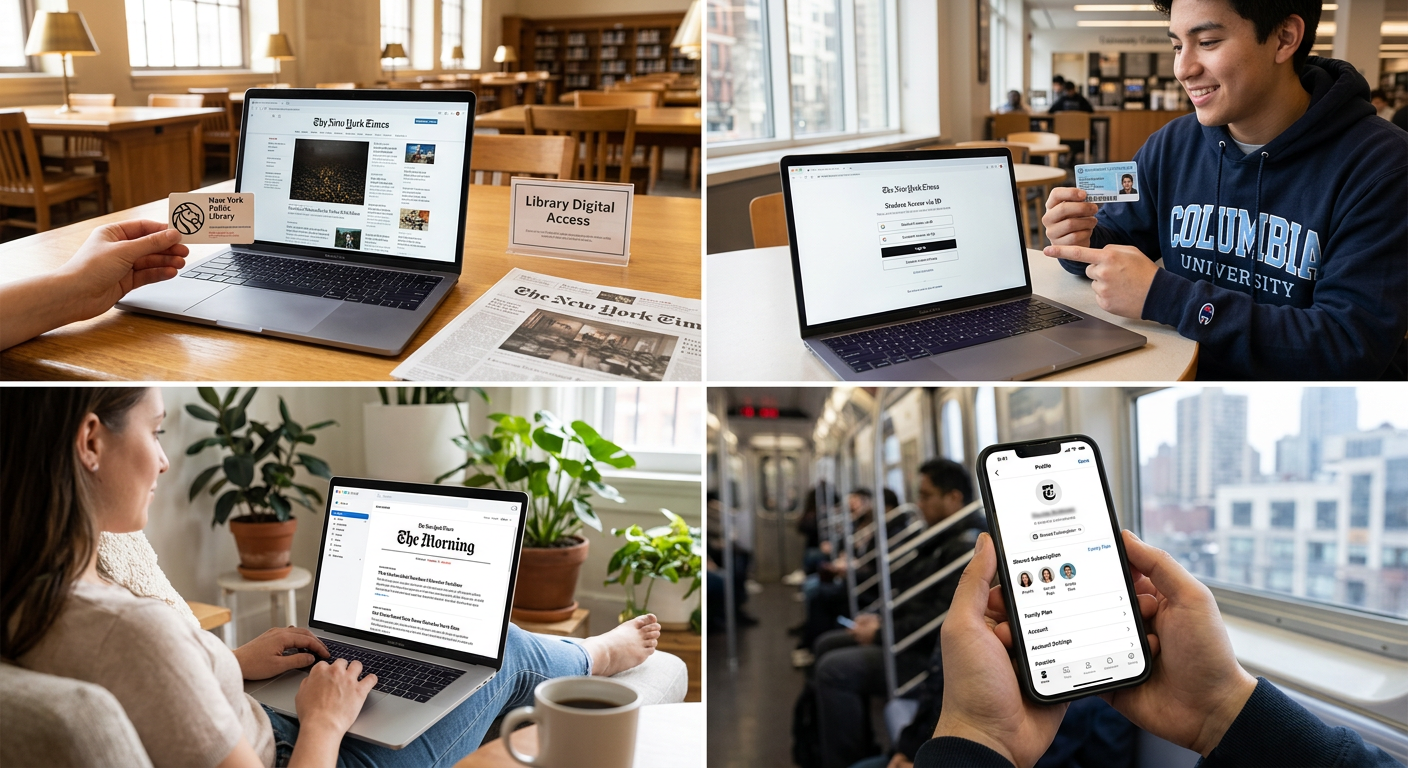
Finding the best deal on NY Times digital subscription sometimes means exploring access alternatives beyond traditional individual accounts. Several legitimate options provide content access at reduced or zero cost. Public library partnerships frequently offer free digital access through institutional subscriptions. Most metropolitan library systems include NY Times digital access with valid library cards. Remote access works from home computers and mobile devices without visiting physical branches. Educational institutions provide student and faculty access through campus-wide subscriptions. Alumni associations occasionally extend these benefits beyond graduation. Check your school’s library resources page for access instructions and login credentials. Employer-sponsored subscriptions appear in comprehensive benefits packages at media, finance, and technology companies. Corporate rates significantly undercut individual pricing. HR departments maintain lists of discounted subscription partnerships worth investigating annually. Newsletter subscriptions deliver curated content selections free via email. While limited compared to full access, newsletters provide quality journalism without subscription costs. Multiple newsletters cover different beats and topics comprehensively. Social media following provides article links and breaking news updates throughout the day. Free article limits typically allow 1-3 monthly articles before paywalls activate. Incognito browsing extends free access slightly but violates terms of service. Subscription sharing through platforms like Anexly enables cost splitting among trusted groups. This approach reduces per-person expense while maintaining full access. Shared accounts must comply with household sharing policies outlined in terms of service. Free trial periods lasting 4-12 weeks provide temporary access for evaluating subscription value. Cancel before trial ends to avoid charges. Multiple email addresses enable sequential trials but may violate publisher policies.